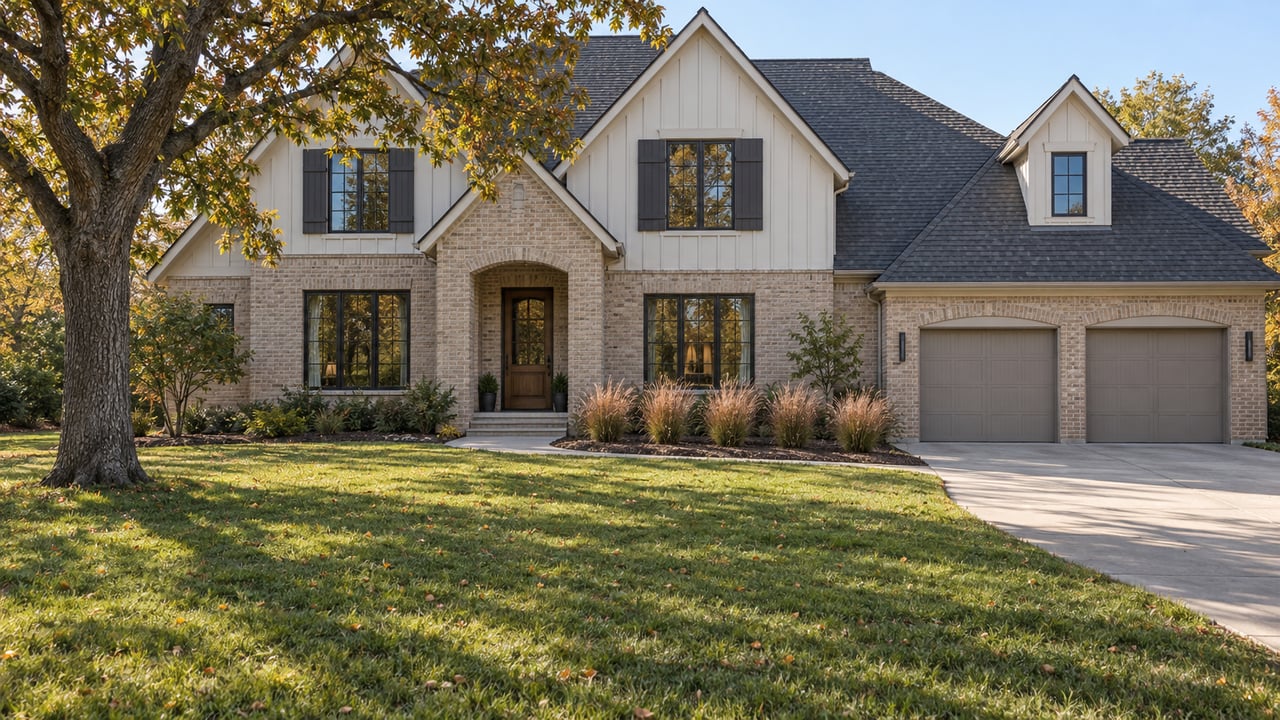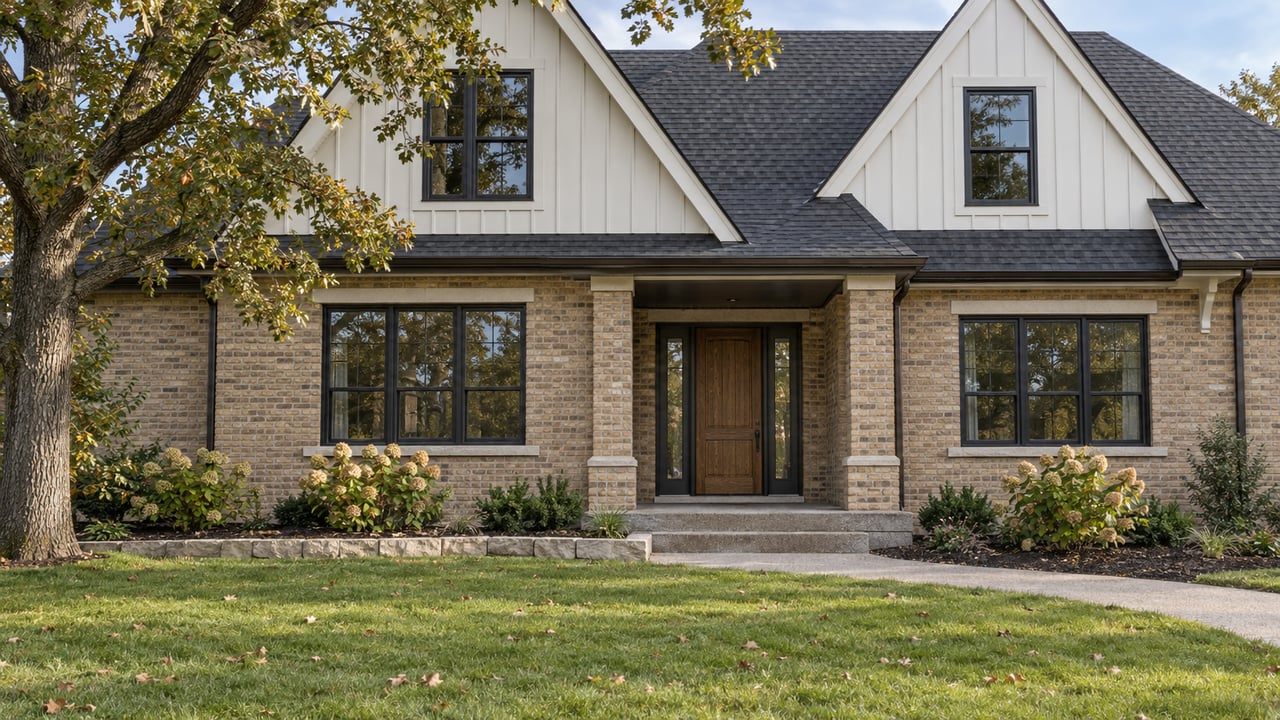
Starting with property taxes payable in 2027, two similar homes in southeast Sioux Falls separated only by 57th Street will be taxed under different county rules. One reason is a vote taken in Canton on Oct. 6. The other is a date that arrives this Sunday, Nov. 1.
The street matters because it is a county line. KIKN, a Sioux Falls radio station, described it this way: "57th Street divides Minnehaha county to the north and Lincoln county to the south." The golf course the neighborhood is named for, Prairie Green Golf Course at 600 E. 69th St., sits on 69th Street, south of that line, in Lincoln County. Any parcel's county appears on its tax statement, and that is the first thing to check for a specific home. Right now, Lincoln is the county that changed the rules.
The Calendar Starts on November 1
The new credit goes to owner-occupied property. Owner-occupied status in South Dakota is a classification, and it does not come automatically with the deed. Minnehaha County's equalization office describes it this way: a home keeps that classification only if it is owned and occupied on November 1. When a property changes hands, the new owner has to apply between November 1 and March 15. According to the South Dakota Department of Revenue's owner-occupied fact sheet, the classification stays in place without reapplying until the home sells or its use changes. At that point the new owner must apply again. The classification covers houses, condos, townhomes and residential buildings of up to four units used as the owner's principal residence. An owner can claim only one such dwelling in the state.
November 1 is also the legal assessment date. The same Minnehaha County FAQ explains that a property is assessed for the following year in whatever condition it is in on that day. A house under construction that is half finished on November 1 is assessed at 50%.
For anyone closing on a home in Prairie Green, or building one on the south side, the timing has real consequences. Lincoln County's new credit is aimed at owner-occupied homes, and for a new owner that classification runs through an application window that opens Sunday. This post is general information, not legal, tax or financial advice. Your county equalization office and your tax professional can confirm how these rules apply to your property.
What Lincoln County Decided on October 6
Under Senate Bill 96, passed in 2026, a county may adopt a sales tax of up to half a percent if it returns the money to eligible taxpayers. According to Sioux Falls Live's report on the Oct. 6 meeting, the Lincoln County Commission unanimously approved both the half-cent gross receipts tax and a plan for using the revenue to reduce owner-occupied property taxes.
The figures are specific. A Department of Revenue estimate puts the county's new revenue at $13.5 million. Auditor Sheri Lund said the estimate appeared accurate but recommended caution, so the commission committed 68% of it, just under $9.2 million, to credits on taxes payable in 2027. Lund told Sioux Falls Live that eligible taxpayers can expect a 68% reduction in what they owe the county. Taxes levied by school districts and other entities may not change.
The vote nearly went the other way. In August the commission passed the tax 3-2, and Sioux Falls Live reported that commissioners expected it to go to a public vote. Some even offered to sign referral petitions. Lund said no petitions were filed. South Dakota Searchlight's Oct. 7 roundup lists Lincoln among six counties whose half-percent ordinances begin in January without going to voters.
Two Tax Bills, Side by Side
A 68% cut sounds large. Its actual size depends on how much of the total bill the county portion represents. The most recent published levies are for 2025 taxes payable in 2026. Those rates will change for 2027, so the table below shows proportions, not a forecast. It covers an owner-occupied parcel inside the City of Sioux Falls and the Sioux Falls School District, using the Lincoln County levy sheet and the Minnehaha County levy schedule.
| Levy, payable 2026, mills | South of 57th, Lincoln | North of 57th, Minnehaha |
|---|---|---|
| County | 1.845 | 2.933 |
| Sioux Falls School District, owner-occupied | 7.129 | 7.129 |
| City of Sioux Falls | 3.661 | 3.661 |
| East Dakota Water Development District | 0.019 | 0.019 |
| Total | 12.654 | 13.742 |
Lincoln's side already started lower. Its county levy is about 15% of the total there, compared with about 21% on the Minnehaha side. If the 68% credit had applied to these rates, it would have removed roughly 1.25 mills from the Lincoln column, or about a tenth of the total bill. The illustrative gap between two similar homes on opposite sides of 57th Street would grow from about one mill to more than two.
Both county sheets note that special districts, rural service areas and special assessments can change individual bills. A home in a different school district would also use a different school levy. These figures describe the standard city and school district setup only.
The money comes from a broad base and goes back to a narrower one. Sales tax rises on purchases made in Lincoln County, and the credit goes to owner-occupied property. In August, Sioux Falls Live reported that Commissioner Joel Arends, who voted against the tax, acknowledged that the policy shifts taxes instead of eliminating them. Commissioner Tiffani Landeen said homeowners' savings would be larger than the added sales tax they pay.
The Changes That Apply on Both Sides
The county credit is the only part of the 2027 change that depends on which side of 57th Street a home is on. The other relief applies to both sides equally.
According to South Dakota Searchlight, the state sales tax rate returns from 4.2% to 4.5% in July 2027. Lawmakers are using that revenue, plus $56 million in reserves, to lower school property taxes on bills that arrive in January or February 2027. The Department of Revenue estimates savings of $168.30 per $100,000 of valuation in school districts that use the maximum allowable owner-occupied levy. Districts with lower levies will see smaller savings. The Sioux Falls School District's owner-occupied mill rate is falling by $1.77 per $1,000 of assessed value, KELOLAND reported in July. The school levy is the same in both columns of the table, so this cut applies to both.
The 2025 valuation limit works the same way in both counties, and that matters for buyers. Senate Bill 216 from 2025 limits growth in a county's total owner-occupied assessed value to 3% a year for taxes payable 2027 through 2031. New improvements and newly classified property are added outside that limit. The Department of Revenue's spring 2026 newsletter explains that homes are still assessed at full market value. When countywide growth goes above 3%, one reduction factor is applied equally to every owner-occupied property.
Because the limit applies to the county total and not to each house, a sale does not reset anything. A 2026 proposal would have capped each home's value and reassessed it when it sold. That bill failed 3-4 in Senate Taxation on Feb. 23 and was deferred to the 41st legislative day. A Prairie Green buyer this winter therefore gets the same reduction factor as a neighbor who has owned for twenty years. That leaves the county credit as the line-by-line difference to compare.
Where Minnehaha County Stands
North of 57th Street, the county has chosen to wait. KELOLAND reported on Aug. 28 that Minnehaha commissioners were holding off on the half-cent tax to see how the statewide relief affects taxpayers. Commissioner Jennifer Bleyenberg said a planned Financial Action Network would take up the question. Earlier, Sioux Falls Live reported that Chair Dean Karsky described the tax as moving money from one pocket to another and raised concerns about renters and others least able to afford a higher sales tax.
The commission minutes for Sept. 22 and Oct. 6 show no action on the tax. Timing also limits what Minnehaha could do now. Searchlight reported that the deadline for a January 2027 start was Oct. 3. Counties that passed ordinances after that date cannot start their tax before July 2027. Whatever Minnehaha decides next, its owner-occupied homes will not have a county sales-tax credit when the first 2027 bills arrive.
A Few Specific Questions
Does the Lincoln County credit apply to a rental or a second home in Prairie Green? Sioux Falls Live describes the credit as relief for owner-occupied property taxes. State law limits owner-occupied classification to a principal residence, one per owner statewide. Lincoln County's equalization office can confirm how a particular property is classified.
Is the 68% a permanent rate? The 68% applies to taxes payable in 2027 and is based on a state estimate. Lund said leftover revenue would carry into the next year, when the county can work from actual collections.
What about a home under construction near Prairie Green? Under the November 1 assessment rule, a partially built home is assessed according to how complete it is on that date. Owner-occupied classification depends on ownership and occupancy, so the county equalization office is the place to confirm timing for a specific build.
When I advise clients relocating to southeast Sioux Falls, I now walk through property tax by the side of 57th Street alongside commute, schools and resale. If you are deciding between homes on either side of that line, or you own in Prairie Green and want to know how the credit affects your home's value, Danielle Konechne can prepare a free home valuation that includes the 2027 tax picture.